September 10, 2026
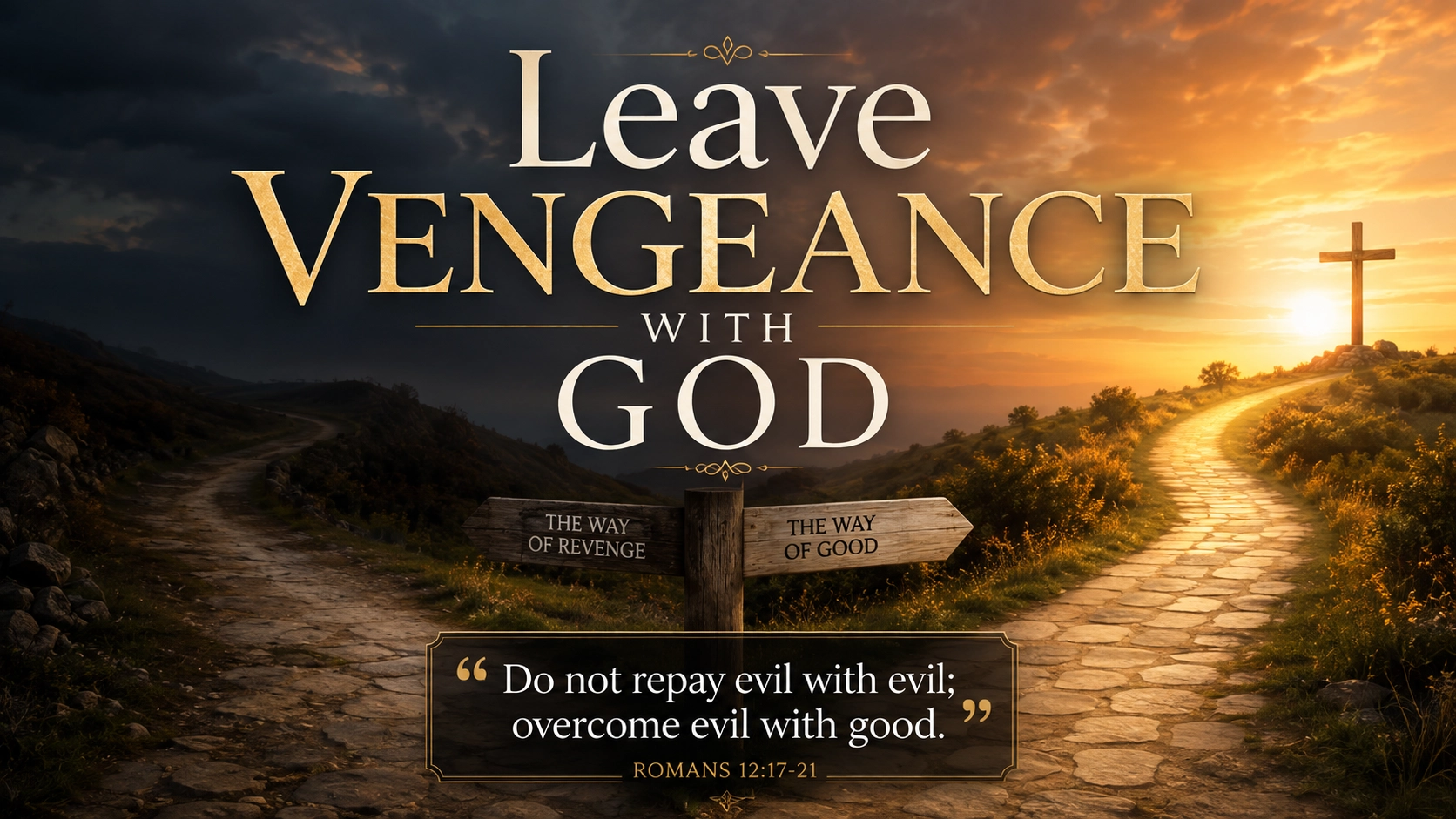
Paul tells Christians not to repay evil with evil or take revenge. Instead, they are to pursue peace as far as it depends on them and overcome evil with good.
Devotional
One of the hardest things to accept is that reconciliation is not always within our control. We may sincerely want peace and do everything we know to repair a relationship, yet the other person may remain unwilling. Reconciliation requires the participation of everyone involved.
Paul says, “If it is possible, as far as it depends on you, live at peace with everyone.” Two important limits appear in that sentence: “if it is possible” and “as far as it depends on you.” Paul recognizes that peace does not depend entirely on one person. We cannot force someone else to listen, repent, forgive, or change.
Not every relationship will be repaired. Some people will refuse to acknowledge the harm they caused, while others may have no interest in restoring what was broken. Certain situations require distance, firm boundaries, or even complete separation. Seeking peace does not mean remaining in a relationship that is harmful or unsafe.
Still, Paul asks us to examine the part that belongs to us. Have I done what I can to make peace? Have I spoken honestly, listened carefully, and apologized where I was wrong? Have I resisted the desire for revenge and left room for God to work? These questions help us take responsibility for our own actions without accepting responsibility for someone else’s choices.
Sometimes we remain tied to a painful experience because we want the other person to pay. We may never admit it aloud, but part of us wants life to teach them a lesson. That desire can keep resentment alive long after the relationship has ended. Instead of freeing us, revenge allows the wound to continue shaping us.
Paul tells us to let go of revenge and trust God with judgment. This does not mean that the wrongdoing was insignificant or that justice does not matter. It means we do not have to carry the burden of settling every score. We can place that responsibility in God’s hands and refuse to let another person’s actions determine the condition of our hearts.
We are responsible for acting faithfully, pursuing peace wherever possible, and choosing not to return harm for harm. We are not responsible for controlling another person’s response. When we have honestly done what depends on us, we can entrust the rest to God.
Action
Think about one situation you cannot fix. Ask God to show you what still depends on you and what you need to release into His hands.
Prayer
God of justice and mercy, show me where I am still carrying the desire to get even. Help me release vengeance and trust You with what I cannot control. Give me courage to do what depends on me, whether that means apologizing, speaking honestly, forgiving, or establishing a healthy boundary. Where reconciliation is possible, lead me toward it. Where it is not possible yet, give me peace without bitterness. In Jesus’ name, amen.
Thought for the Day
I am responsible for faithfulness, not for controlling another person’s response.
Romans 12 gives us both a calling and a limit: as far as it depends on us, we are to live at peace. We cannot force reconciliation, but we can refuse revenge, do our part, and leave room for God’s grace.