September 13, 2026
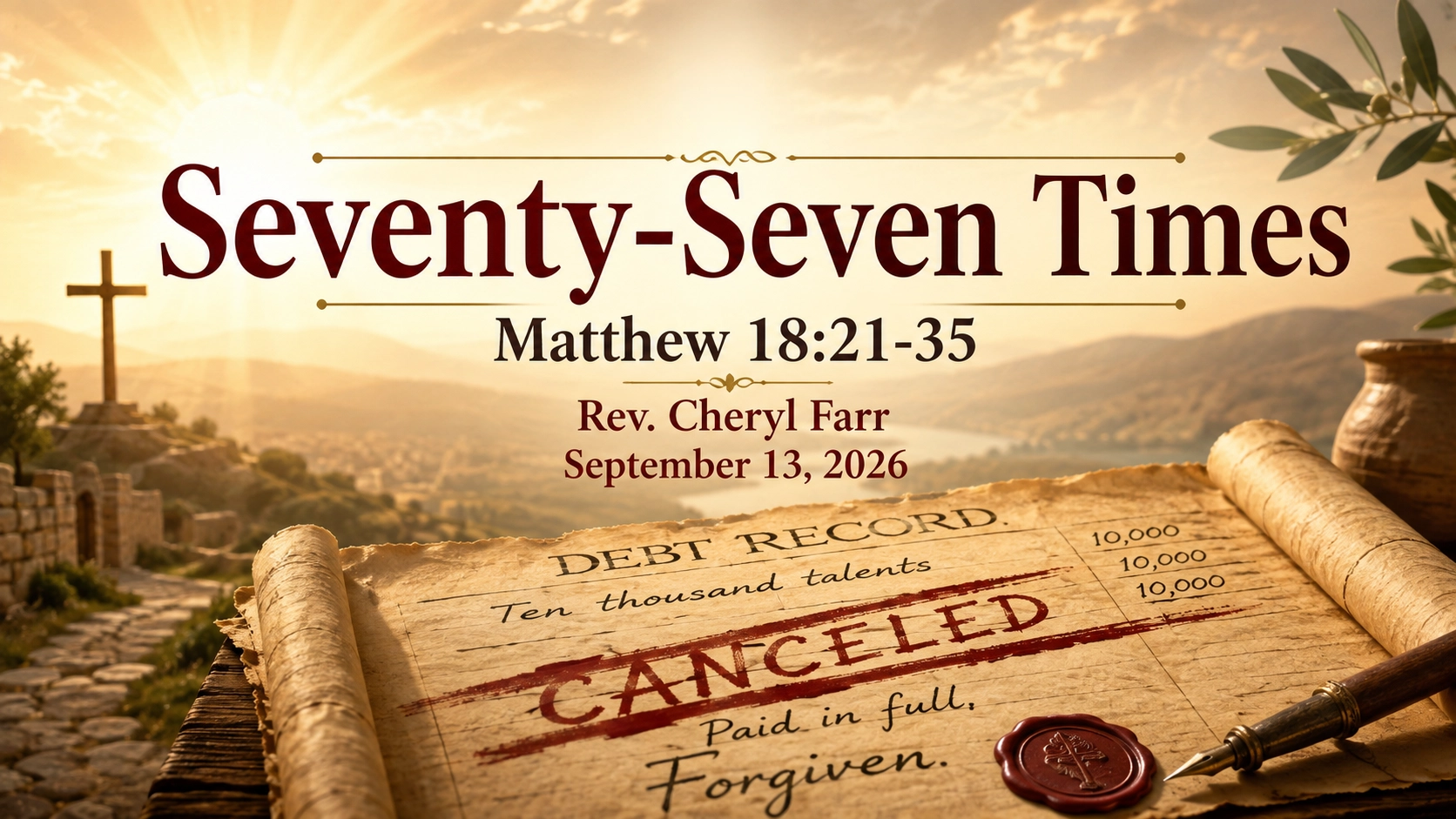
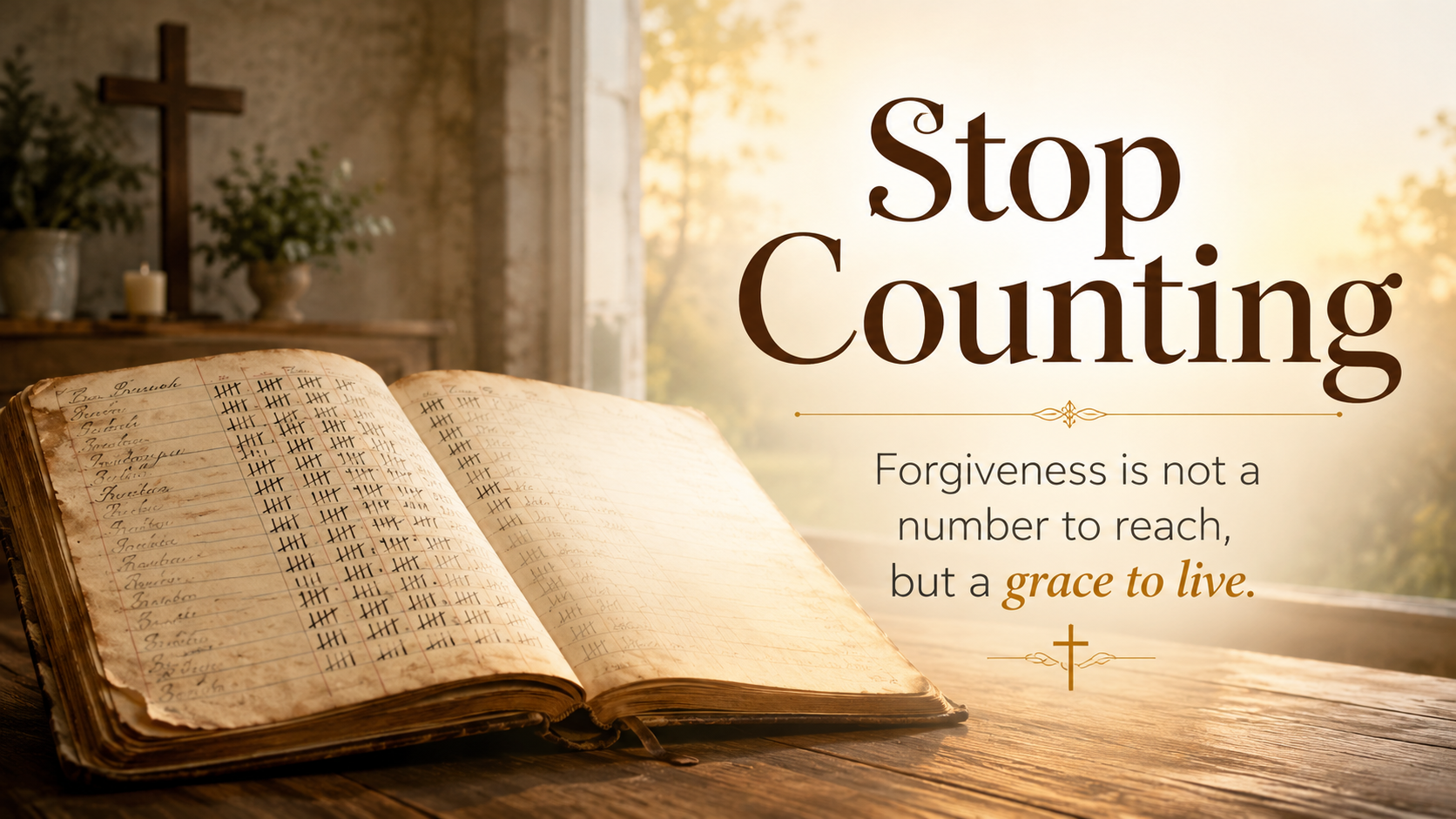
Peter asks Jesus how many times he must forgive someone who repeatedly sins against him. He suggests seven times, but Jesus answers with a number so large that counting becomes pointless. Jesus is not simply raising Peter’s limit. He is teaching him that forgiveness cannot be reduced to keeping score.
Devotional
Peter’s question feels familiar because most of us like to know where the limits are. We can be patient if we know how long patience is expected. We can give another chance if we know there will eventually be a point when we are allowed to say, “That is enough.” Peter probably thinks seven times sounds generous. He is not trying to avoid forgiveness altogether. He simply wants to know when he has fulfilled his obligation.
Jesus answers by taking the calculator out of Peter’s hands. Whether the phrase is understood as seventy-seven times or seventy times seven, the point is not the number. Jesus is telling Peter that forgiveness is not meant to become a ledger where every offense is recorded until the other person finally uses up their last chance.
That does not mean wisdom disappears. Some patterns need to be remembered because they reveal that trust has been damaged or that boundaries are necessary. Jesus has just taught His disciples how to confront sin, so He is not asking Peter to pretend that wrongdoing does not matter. What He challenges is the desire to keep carrying the debt in the heart.
That is where many of us struggle. We may no longer be arguing with the person, but we are still keeping the record. We remember what was said, how many times it happened, how many chances we already gave, and how much more patient we were than they deserved. The ledger may be invisible, but we know exactly where it is.
Jesus invites us to put it down.
That does not erase the past. It changes what we allow the past to control. Forgiveness begins when we stop letting the account become the center of the relationship, or sometimes the center of our own peace. We remember that God has never loved us by counting how many chances we have already used. His grace has continued reaching, correcting, forgiving, and shaping us.
Maybe the first step toward forgiveness is not feeling differently. Maybe it is simply deciding that we do not want to spend another day keeping score.
Action
Think of one relationship in which you have been quietly keeping a record of offenses. Ask God to help you distinguish between the wisdom of remembering a pattern and the burden of carrying a grudge.
Prayer
Merciful God, You know how easily I remember the wrongs others have done while forgetting how patiently You have dealt with me. Help me release the need to keep score. Give me wisdom where boundaries are needed and grace where resentment has taken root. Teach me to remember Your mercy more clearly than I remember another person’s debt, and shape my heart into one that reflects the forgiveness I have received. In Jesus’ name I pray. Amen.
Thought for the Day
Grace invites me to put down the ledger.
Peter asks Jesus for a limit on forgiveness, but Jesus refuses to give him a number he can use to keep score. Sometimes freedom begins when we stop counting the offenses and remember how often mercy has found us.