May 26, 2026
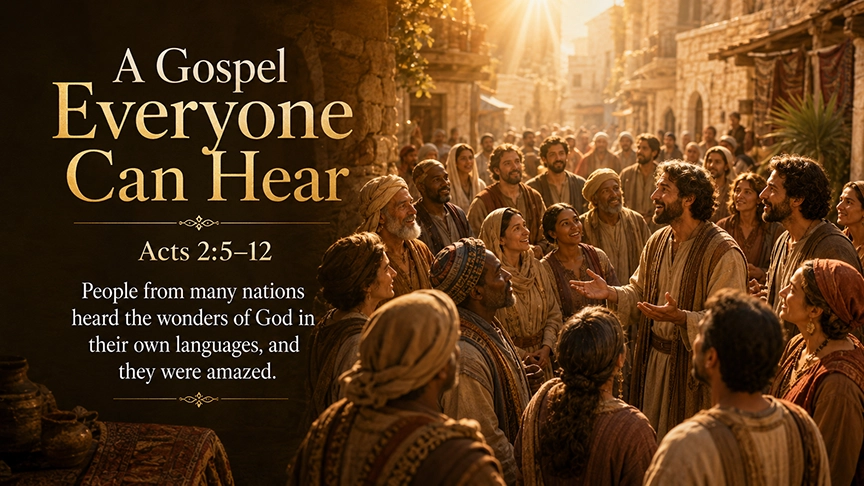
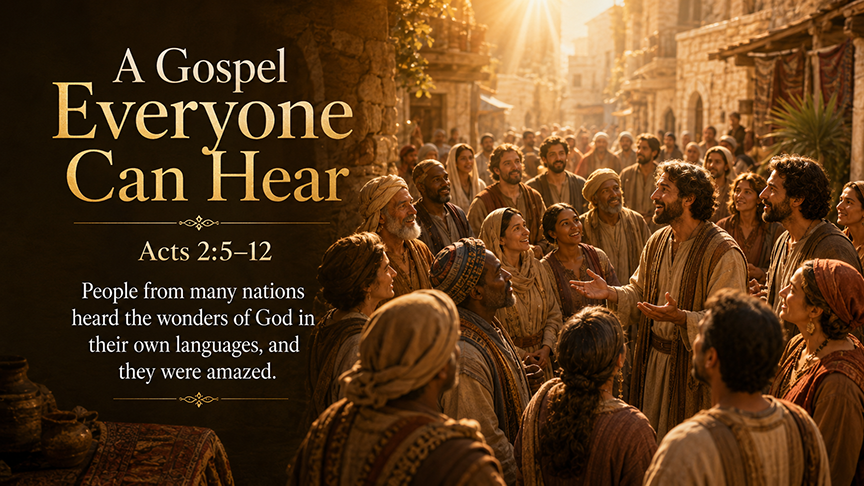
Acts 2:5–12 describes devout Jews from many nations gathered in Jerusalem who heard the disciples speaking in their own languages. The crowd was amazed because each person heard the wonders of God declared in words they could understand. Pentecost revealed that the good news of Jesus was not confined to one people, one place, or one language.
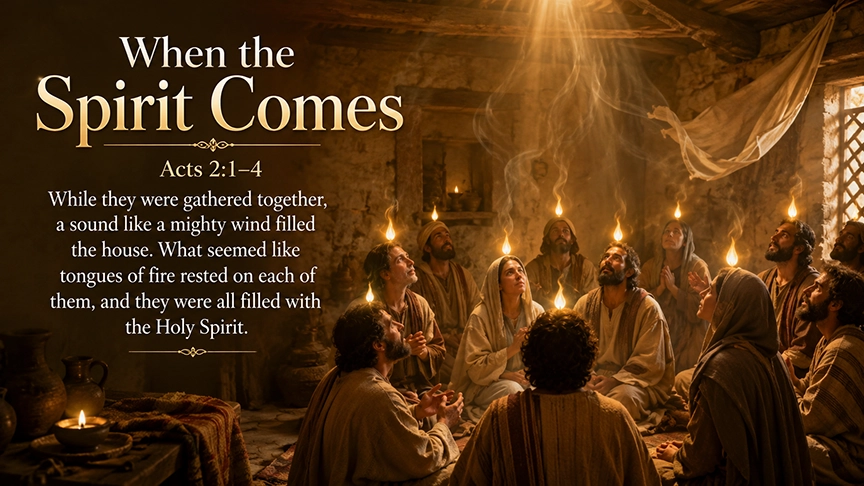
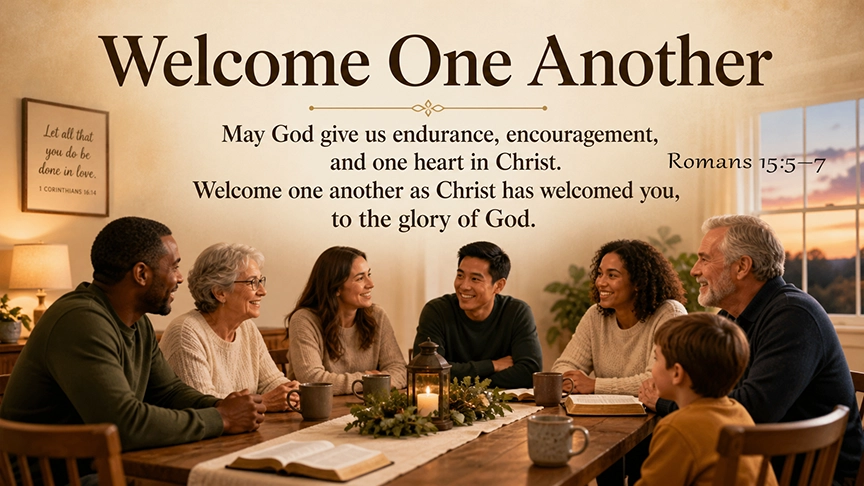
Devotional: One of the beautiful things about Pentecost is that the Holy Spirit did not make everyone the same. The people gathered in Jerusalem came from many places. They carried different languages, accents, histories, and customs. Yet when the Spirit filled the disciples, the crowd heard the wonders of God in their own languages.
God could have chosen one language and required everyone else to adjust. Instead, the Spirit carried the gospel across the barriers that usually divide people. Pentecost was not about erasing difference. It was about making Christ known in a way people could truly hear.
That tells us something important about the heart of God. God does not wait for people to become like us before He reaches for them. God meets people where they are. His grace speaks into real lives, real questions, real griefs, real cultures, and real stories. The gospel is not small, tribal, or locked inside one group’s way of doing things. It is the good news for the world.
The Church sometimes forgets this. We can become more attached to our familiar language than to our mission. We may not mean different spoken languages only. We can also have church language, insider language, generational language, and “we’ve always done it this way” language. Those things can become walls without us realizing it.
Pentecost asks whether people around us can actually hear the love of Jesus through us. Do our words sound like grace? Do our actions make room? Do our ministries speak in ways our neighbors can understand?
The Spirit still teaches the Church how to communicate the wonders of God. Not by watering down the truth, but by carrying the truth with love, humility, and clarity. The gospel of Jesus Christ is too good to mumble behind walls. It is good news meant to be heard.
Action: Pay attention today to how you speak about faith. Ask God to help your words sound less like church jargon and more like the clear, gracious love of Jesus.
Prayer: Gracious God, thank You for speaking to people in ways they can hear and understand. Forgive me for the times I have made faith harder to hear by using careless words, insider language, or a spirit that did not reflect Your love. Fill me with the Holy Spirit so that my life and my words point clearly to Jesus. Help Your Church speak grace across every barrier. In Jesus’ name I pray. Amen.
Thought for the Day: The Holy Spirit helps people hear the wonders of God in words that reach the heart.
Pentecost shows us that the gospel was never meant to stay inside one language, one culture, or one familiar way of doing things. In Acts 2, people from many nations heard the wonders of God in words they could understand. That was not an accident. It was the work of the Holy Spirit.
The Spirit did not erase their differences. The Spirit carried the good news across those differences. That still matters for the Church today. Sometimes the question is not whether we are speaking, but whether people can truly hear the love and grace of Jesus through us.
God’s grace reaches people where they are. Pentecost invites us to become a Church whose words, actions, and welcome make Christ easier to hear.