January 3, 2026
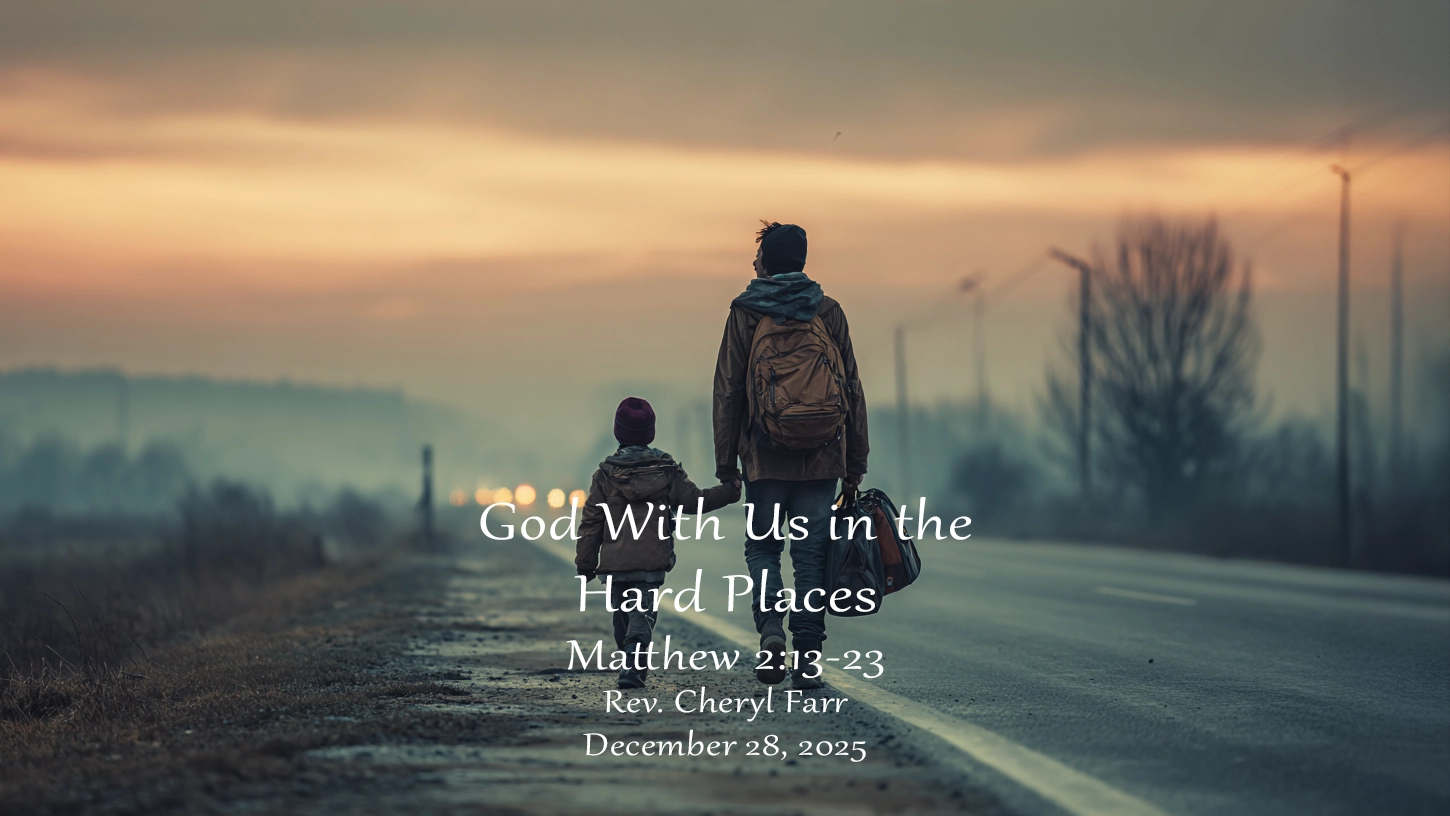
Luke 24:13-35 tells the story of two disciples walking the road to Emmaus after Jesus’ crucifixion. They are grieving, confused, and disappointed, convinced that hope has been lost. As they walk, Jesus comes alongside them, though they do not recognize Him. He listens to their pain, walks at their pace, and gently reframes their understanding of what has happened. Only later, in the breaking of the bread, do they realize that the risen Christ has been with them the entire time. The passage reveals a God who stays close on long roads, even when His presence goes unnoticed.
Devotional:
The road to Emmaus is a familiar one for many people of faith. It is the road we walk when hope has been disappointed and the future looks smaller than it once did. The disciples are not rushing toward anything. They are leaving Jerusalem behind, carrying unanswered questions and deep grief. Their expectations have collapsed, and they are trying to make sense of a story that no longer fits.
What stands out in this passage is not how quickly Jesus reveals Himself, but how long He stays hidden. Jesus does not interrupt their grief or correct them immediately. He walks with them. He listens. He lets them speak their disappointment out loud. God does not rush the healing of disillusionment.
This tells us something important about God’s presence in hard places. God often walks with us before we recognize Him. We expect clarity, reassurance, or dramatic signs. God offers companionship instead. The risen Christ does not demand recognition. He stays close, even when faith feels thin and understanding feels incomplete.
Long roads are exhausting. They wear us down slowly. They are not defined by crisis alone, but by the ongoing effort of putting one foot in front of the other when answers remain unclear. Many people are on such roads, carrying grief that lingers, questions that remain unresolved, or fatigue that has settled deep into their bones.
Jesus meets the disciples exactly there. Not at the end of the road. Not once they have figured everything out. He meets them in the middle of their confusion. And He stays.
Only later do they recognize Him. Only after time has passed do they see that their hearts were burning while He spoke. This passage reminds us that God’s presence is not dependent on our awareness. God does not leave because we fail to notice Him. God remains faithful even when recognition comes slowly.
If you are on a long road today, take heart. God has not stepped away. Jesus walks with you, listens to your story, and stays longer than you expect. Recognition may come later. Understanding may unfold in time. For now, presence is enough.
You are not walking alone, even if it feels that way. The road may be long, but God stays.
Action:
Ask God to help you notice where He may already be walking with you, even quietly.
Prayer:
Jesus, walk with me on the long road. Stay with me when hope feels distant and understanding feels slow. Help me trust Your presence even when I cannot yet see clearly. In Your name, Amen.
Thought for the Day:
God’s presence does not depend on our ability to recognize it.
The road to Emmaus reminds us that God often walks with us before we realize it. The disciples are grieving, confused, and disappointed, yet Jesus stays close, listening and walking at their pace. He does not rush their understanding or demand recognition. He simply remains present.
For anyone on a long road, carrying unanswered questions or quiet fatigue, this story offers steady hope. God does not leave because clarity takes time. Even when hope feels thin, God stays, walking alongside us step by step.