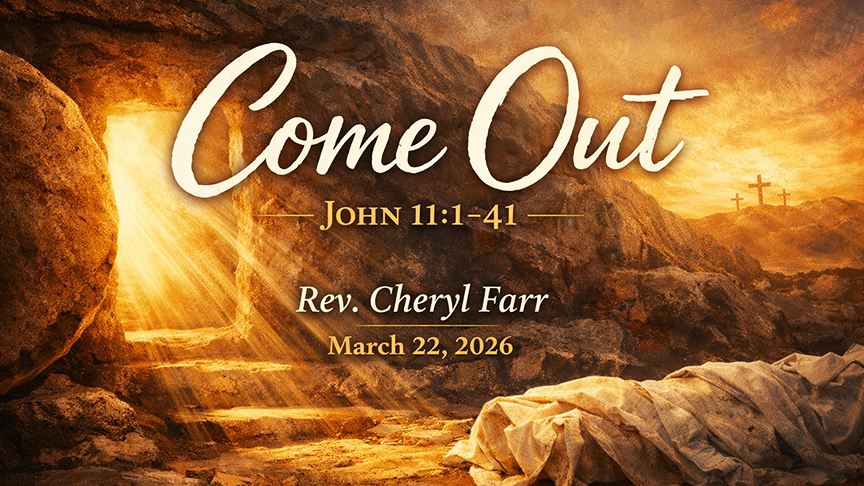
“Jesus wants more than to visit our dead places. He wants to bring us out of them.”
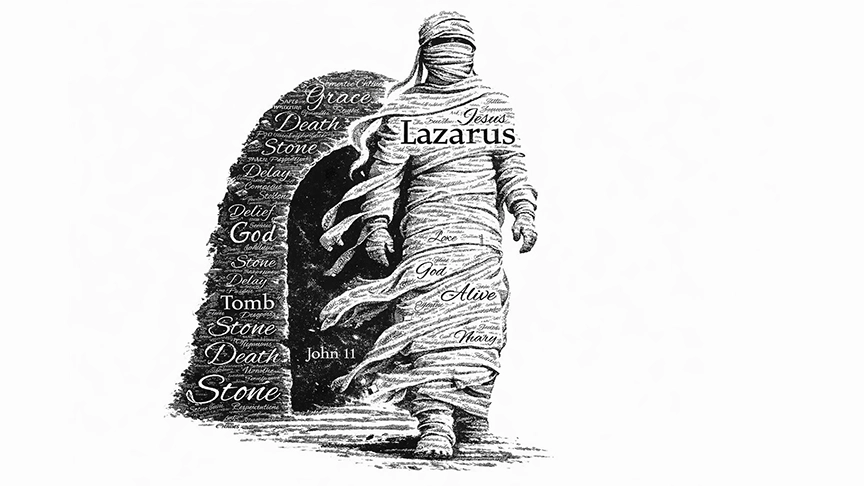
John 11 begins in a place that feels painfully familiar, sickness, delay, grief, and a sealed tomb. The passage does not rush to resolution. It lets the weight of waiting settle in. Mary and Martha both know Jesus loves them, and that is what makes His delay so hard to understand. The story speaks honestly to the experience of praying, trusting, and still wondering why help did not come sooner. It refuses to tidy up grief or pretend faith means never asking hard questions.
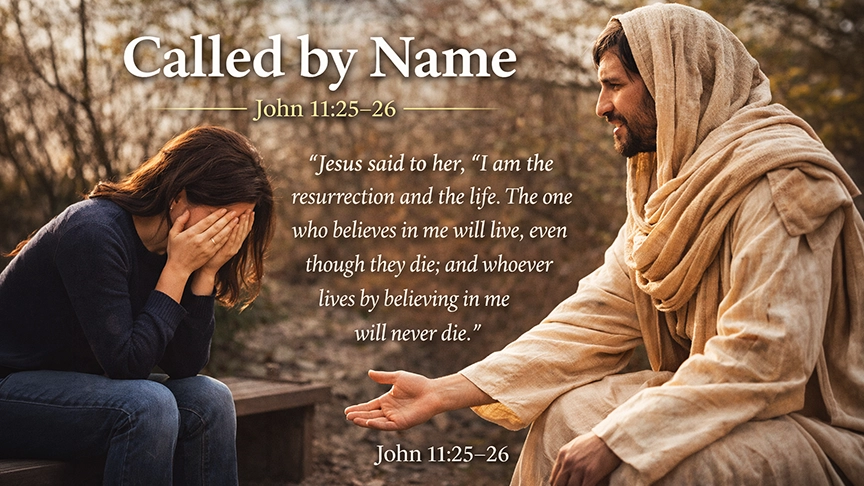
At the center of the passage stands Jesus’ declaration that He is the resurrection and the life. That shifts the focus from a future event to a present person. Hope is not grounded in quick answers or changed circumstances but in who Jesus is. Martha’s words reveal a faith that is wounded but still reaching, while Mary’s tears show how sorrow can leave a person with almost no words at all. Jesus meets both sisters where they are. He does not rebuke their grief. He receives it.
The moment where Jesus weeps is crucial. He does not stand apart from human sorrow or brush past it because He knows what He is about to do. He enters it fully. At the tomb, where everything appears final and beyond repair, Jesus calls Lazarus by name and brings life out of death. That command, “Come out,” reaches far beyond one miracle. It becomes a word of hope for every place where fear, shame, bitterness, despair, or grief have wrapped themselves around a life.
The passage also highlights the role of community. Lazarus comes out alive, but Jesus tells the people around him to remove the grave clothes and let him go. New life is the work of Christ, yet the people of God help one another walk in freedom. The chapter holds together honesty about what is broken and confidence that resurrection power is already at work. It points to a Christ who does more than visit dead places, He brings people out of them.